

Lab Notes
Marketing Blog

Why Most GTM Strategies Fail (and How to Alchemize Yours into Gold)
Most go-to-market strategies don’t fail because the idea is weak. They fail because GTM is treated like a launch campaign instead of a living operating system. Teams build pretty decks, define ICPs, spin up ads, and hope momentum magically sustains itself. But in the real world, GTM breaks at the seams: misaligned teams, weak positioning, slow feedback loops, disconnected channels, and the fatal belief that “the funnel is linear.” This article dissects the most common failure points and shows how to rebuild a GTM engine that compounds value over time—one that blends strategy, psychology, experimentation, and operational discipline into something remarkably resilient.

From Awareness to Advocacy: Mapping Content & Channels to Every Funnel Stage
Modern go-to-market execution doesn’t require more content—it requires better alignment. Brands often produce endless assets but fail to deliver the right message at the right moment in the customer journey. This guide breaks down how to map content, channels, creative formats, and measurement across the full funnel—from awareness to advocacy—so that every touchpoint moves prospects forward with purpose.

Messaging, Media, Momentum: The 3Ms of a GTM Strategy That Actually Converts
A great product or service means nothing if it never reaches the right audience in the right way. That’s why successful go-to-market (GTM) strategies depend on three essential pillars: Messaging, Media, and Momentum. In this in-depth guide, we’ll unpack how to align your GTM execution with these 3Ms to drive conversions, spark demand, and build long-term growth.
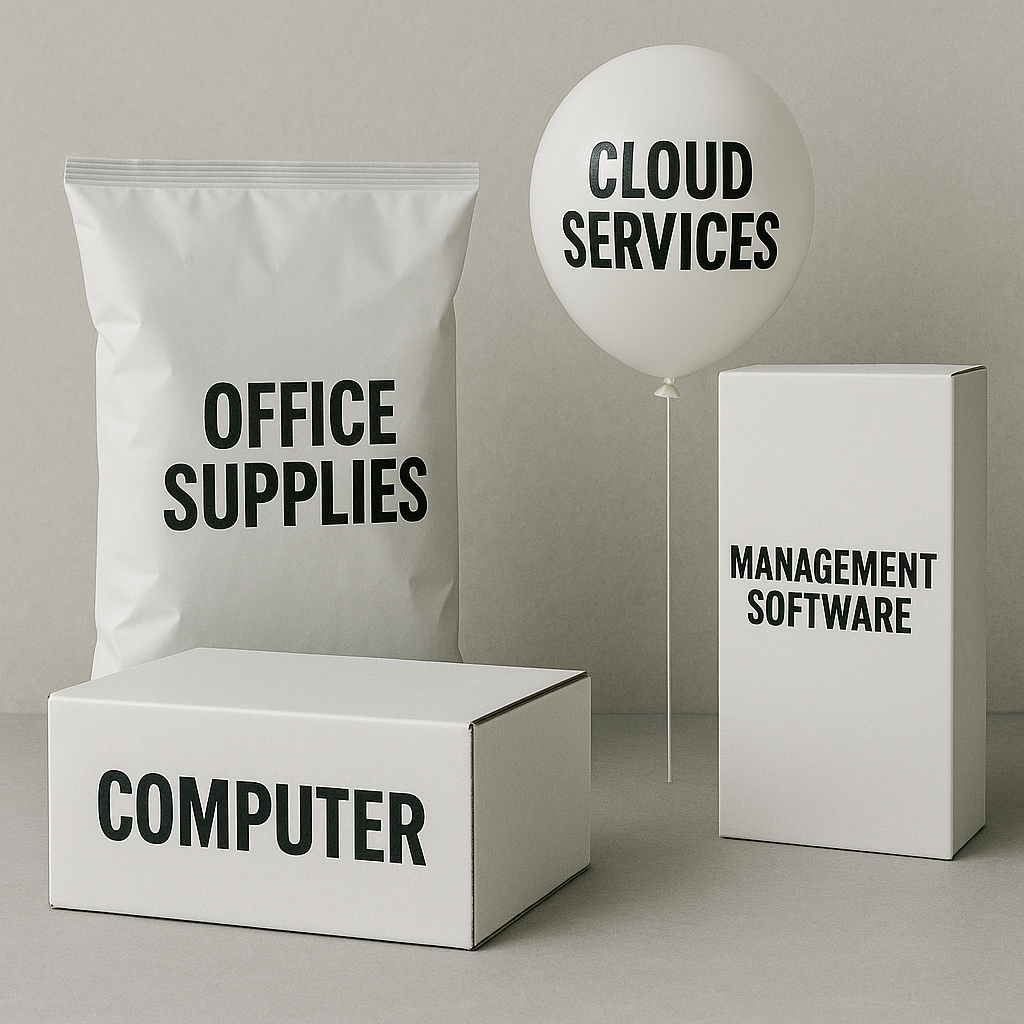
The Role of Brand Purpose in Purchase Decisions: Evidence and Mid‑Market B2B
In 2026, brand purpose is no longer a “nice-to-have” in the mid-market B2B space—it’s a strategic lever. This deep dive explores new data, buyer psychology, and real-world examples showing how brand purpose shapes vendor selection, trust, and long-term loyalty in a B2B environment increasingly shaped by values as much as value.

GTM Isn’t Just for Startups: Using Full-Funnel Thinking to Relaunch, Reposition, or Expand
Go-to-market (GTM) strategy is often seen as a startup playbook—something you build once and move on from. But in today’s competitive, dynamic environment, every brand needs to revisit and re-energize its GTM motion. Whether you’re relaunching a product, repositioning a brand, or expanding into a new segment, full-funnel GTM thinking helps align your strategy across the entire customer journey. In this blog, we break down how to build (or rebuild) a GTM approach that works at every stage of business growth.

Beyond Launch: Building a GTM Plan That Evolves With Your Customer Journey
In today’s dynamic marketplace, launching a product is just the beginning of the journey. A robust go-to-market (GTM) plan must evolve alongside the customer’s journey—from first awareness all the way through advocacy. This blog dives into how you can move beyond launch, build a GTM strategy that is adaptive and full-funnel, and align it with the real behaviors, touch-points and motivations of your audience. If you’re in digital marketing, media buying, or growth strategy you’ll walk away with a smarter framework to link your GTM plan to lifecycle thinking, not just the big splash.